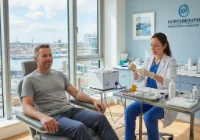
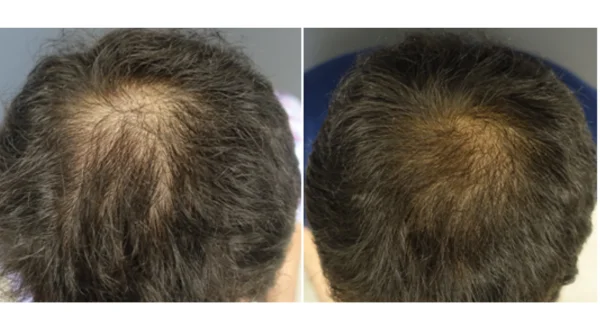
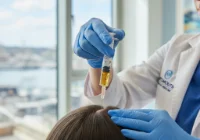
Considering PRP therapy in Portsmouth? Interest in this treatment has grown significantly across the South of England, and there are now verified providers in and around the city worth knowing about. This page brings them together so you can compare credentials, understand your options, and book with real confidence.

Platelet-Rich Plasma therapy has earned its place as one of the more scientifically grounded non-surgical treatments in UK aesthetics. The concept is straightforward: a small amount of your own blood is drawn, processed in a centrifuge to isolate the platelet-rich plasma, and reintroduced to the area where repair and renewal are needed. Because the treatment draws entirely on your own biology, the risk of adverse reaction is low, and the results, when delivered by a skilled practitioner, can be genuinely meaningful.
Portsmouth and the wider Hampshire coastal area have seen steady growth in the availability of aesthetic treatments over recent years, and PRP is increasingly part of that picture. Clinics in and around the city now offer it for a range of concerns including skin rejuvenation, hair thinning, under-eye hollowing, acne scarring, and improvements to overall skin texture and quality. For many people in Portsmouth, the choice between travelling to Southampton or London for treatment and finding a well-qualified local provider has become much simpler as the local market has matured.
That said, PRP is not a uniformly regulated procedure in the same way as prescription treatments, which means the quality of clinical oversight, preparation systems, and consultation standards can vary between providers. The growth factors in your plasma are only as effective as the system used to concentrate them and the skill of the practitioner delivering them. A clinical-grade centrifuge, a proper sterile environment, and a practitioner who understands the anatomy of the treatment area are not optional extras; they are the foundation of a result worth having.
Results from PRP build gradually over weeks and months rather than appearing overnight. Most people begin with a course of three to four sessions, spaced several weeks apart, and follow up with maintenance treatments as needed. A practitioner who explains this clearly from the start, and who takes the time to assess whether PRP is the right approach for your specific concern, is one worth trusting.
The clinics listed on this page have been verified against UK safety and professional standards, giving you a reliable and trustworthy place to begin your search in Portsmouth and the surrounding area.
Trusted PRP Experts, Local to You
Easily connect with qualified, verified professionals for safe, reliable treatment.
Gatcombe House, Copnor Road, Portsmouth, PO3 5EJ ~1.7 miles away
At Dr Hemba Medical Aesthetics Limited we aim to deliver the highest quality cosmetic treatments in an ethical and responsible manner using highly trained medical aesthetic practitioners.
176 Albert Road , Southsea, Portsmouth, PO4 0JT ~1.7 miles away
We provide a friendly, relaxed and professional service. Please feel free to contact either of us if you would like any advice regarding any of our treatments or if you would like to book a free consultation.
7 Brook Lane, Southampton, Warsash, SO31 9FH ~10.4 miles away
As a CQC medical clinic, we provide a safe and highly professional environment where our patients can feel at ease before and during treatment. We understand how medical treatments can sometimes feel daunting, so making our patients feel comfortable is a fundamental part of our experience.
16 Chilgrove Business Centre, Chilgrove Park Road, Chichester, PO18 9HU ~13.7 miles away
Our wish at Aesthetically Kind is to offer treatments, advanced skincare and advice that will refresh and naturally enhance you, not change you. We want you to feel amazing in your skin.
Dr Xavier & Associates Clinic, 25 Queens Terrace, Southampton, SO14 3BQ ~15.5 miles away
Established in 2005, Dr Xavier G. Medi-Spa Clinic is an independent doctor-run clinic offering treatments that you can trust in a clinic environment that maintains the highest standards of care - with particular attention on our patients' experience.
34 St Thomas Street, Winchester, SO23 9HJ ~18.6 miles away
Looking for facial rejuvenation, laser hair removal, weight management, skin care treatments or Blemish removal clinic near Basingstoke or Southampton? Dr Victoria Cosmetic Dermatology and Anti-Ageing Medicine Clinic is a doctor-led and CQC registered medical aesthetic clinic in Winchester.
Morn Hill View, Alresford Road, Hampshire, Winchester, SO21 1HE ~19.6 miles away
Hello, and welcome to The Secret Garden Skin Clinic! Nestled in the rolling hills of Winchester, our private clinic is the home to many amazing skin journeys and lots of beautiful faces. We specialise in fixing all different kinds of skin conditions with medical grade products.
Hockley Mill Stables, Church Lane, Twyford, Winchester, SO21 1NT ~20.0 miles away
Dr Aarti Denning is a GMC-registered GP, Cosmetic Physician, Certified in Obesity management (CQC registered). The clinic offers natural cosmetic results, HRT/ BHRT & weight loss medication.
See exactly where verified PRP clinics are located across Portsmouth.
Zoom in, pan around, and click any marker to view each clinic’s profile, read reviews, and check their credentials before you book.
The science made simple – without the jargon.
If you've heard about PRP treatment in Portsmouth but aren’t quite sure how it actually works, this section breaks it down in clear, practical terms.
What PRP means: PRP stands for Platelet-Rich Plasma – a concentration of your body’s platelets and growth factors extracted from your own blood.
The quick process: A small blood sample (about a tablespoon) is taken, spun in a centrifuge for 10–15 minutes, and separated into layers. The top golden layer, rich in platelets, becomes your PRP serum.
How it heals: Once injected or applied through microneedling, PRP releases growth factors that stimulate cell renewal, collagen formation, and improved blood flow.
Why it’s safe: Because it’s derived entirely from your own blood, there’s minimal risk of allergic reaction or rejection. It’s your biology, simply enhanced.
A proven medical foundation: PRP was first used in surgery and orthopaedics to help athletes recover faster from tendon and joint injuries.
Aesthetic evolution: The same regenerative science now helps rejuvenate skin, thicken hair, and even improve post-treatment healing in aesthetic medicine.
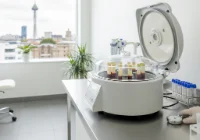
A personal process: In Portsmouth clinics, you’ll see the centrifuge at work – a small, precise machine separating your sample as you sip water or chat with your practitioner. There’s something quietly impressive about watching your own biology turn into a treatment.
Collagen stimulation: Platelets activate fibroblasts in your skin, prompting the production of collagen and elastin for a firmer, smoother texture.
Enhanced circulation: PRP stimulates microvascular activity, resulting in a fresh, oxygenated glow over time.
Gradual improvement: Results aren’t instant. You’ll notice subtle changes within a few weeks, with continued improvement across several months.
PRP works because it speaks your skin’s natural language – healing, regenerating, and rebuilding from within. In Portsmouth, it has become a favourite among patients seeking real, sustainable improvement without the need for fillers or surgery.
From thinning hair to tired skin - PRP adapts to you
PRP treatment in Portsmouth is designed for individuals seeking results that appear and feel natural. Whether you’re noticing early hair thinning, dullness, or a loss of firmness in the skin, PRP works by amplifying your body’s own repair mechanisms rather than covering them up.
Early hair thinning or shedding: PRP stimulates dormant hair follicles, helping to slow hair loss and promote thicker growth over time. It’s particularly effective when started early, before follicles become inactive.
Fine lines, uneven tone, and skin fatigue: Patients seeking to refresh their skin without fillers often choose PRP for its collagen-boosting and texture-smoothing benefits.
Post-acne or mild scarring: The regenerative effect of PRP can help soften shallow scars and even out the tone when used in conjunction with treatments such as microneedling.
Post-procedure healing: Many Portsmouth practitioners utilise PRP to expedite recovery after laser or resurfacing procedures, thereby helping to reduce redness and inflammation.
Joint and tendon support: Although less common in aesthetic clinics, PRP is also used medically for mild joint pain and sports-related injuries – the same technology, but with a different focus.
Pregnancy and breastfeeding: Elective PRP treatments are typically postponed as a precautionary measure for safety.
Blood disorders or platelet deficiencies: Conditions that affect clotting or platelet function can reduce the effectiveness of PRP.
Severe skin conditions or infections: Active inflammation or infection should always be treated before PRP.
Unrealistic expectations: PRP delivers subtle, progressive improvement, not an overnight transformation.
In Portsmouth, PRP therapy attracts patients who value subtlety, science, and long-term results. It’s not about looking different – it’s about looking rested, confident, and in tune with your body’s natural rhythm
Natural results without the guesswork – here’s what PRP really delivers
PRP treatment in Portsmouth is often described as “your body’s own reset button.” It doesn’t add anything foreign, just reactivates the healing and regenerative processes already built into your system. The result: stronger, healthier skin and hair that look refreshed, not overworked.
Smoother texture and fewer fine lines: Growth factors in PRP stimulate fibroblasts, the skin’s collagen-making cells, to rebuild firmness and elasticity.
A natural, radiant glow: Many patients notice a visible “post-facial” luminosity in the weeks after treatment, without relying on heavy make-up or filters.
Improved skin tone: PRP helps regulate pigmentation and supports healthy blood flow, restoring balance to areas that have been dulled by sun exposure or stress.
Hydration from within: Unlike topical creams, PRP encourages the skin to retain moisture by strengthening its barrier and improving circulation.
Thicker, stronger strands: PRP injections encourage dormant follicles to re-enter the growth phase, resulting in improved hair density over several months.
Reduced shedding: The regenerative boost can slow down hair loss, especially in the early stages of thinning.
A healthier scalp environment: Increased blood flow and nutrient delivery create optimal conditions for long-term hair vitality.
Works beautifully with microneedling: Combining PRP with collagen induction therapy amplifies the results of both, accelerating recovery and enhancing skin smoothness.
Supports recovery after laser treatments or chemical peels: PRP soothes the skin, helping to reduce inflammation and redness post-treatment.
Enhances filler and skin booster results: When used in conjunction with injectables, PRP strengthens the skin's structure, prolonging overall improvements.
The benefits of PRP aren’t about perfection; they’re about progress. Whether you want smoother skin, fuller hair, or simply a fresher version of yourself, PRP helps you achieve results that last longer and look entirely your own.
From consultation to recovery – every step explained
Knowing exactly what happens during PRP treatment in Portsmouth can help alleviate the uncertainty of your first appointment. This section walks you through the process, step by step, so you know what to expect from the moment you arrive to the moment you leave the clinic.
Personalised assessment: Every Portsmouth practitioner begins with a medical review and discussion about your goals – whether that’s improving skin tone, softening lines, or addressing hair thinning.
Treatment plan creation: Based on your skin type, health, and desired outcome, your clinician will tailor a protocol, usually recommending 3–4 sessions spaced 4–6 weeks apart.
Pre-treatment tips: You’ll be advised to stay hydrated and avoid anti-inflammatory medication and alcohol for 24–48 hours before your appointment to ensure optimal platelet quality.
Blood draw: Around 10–30ml of your blood is collected, similar to a routine test.
Centrifugation: The sample is spun in a centrifuge for 10–15 minutes to separate the plasma from red and white cells. You’ll often see the golden layer of PRP form – it’s surprisingly satisfying.
Application: Depending on your treatment, PRP is either injected into targeted areas or applied topically after microneedling. Numbing cream is usually offered to ensure comfort.
Duration: The full session lasts approximately 45–60 minutes, with most of the time dedicated to preparation.
Mild redness or swelling: These effects are typical and usually subside within 24 to 48 hours.
Warmth or tightness: You might feel a slight heat or tightness in the treated area – a sign that your body’s healing response has been activated.
Aftercare essentials: Avoid makeup, heavy exercise, or direct sun exposure for 24 hours. Keep your skin clean and hydrated with gentle products.
Your PRP treatment in Portsmouth should feel calm, efficient, and personalised. From a quick blood draw to minimal downtime, each step is designed to deliver visible, gradual improvements that fit seamlessly into your life.
Your body leads the way – here is how PRP unfolds over time
Recovery after PRP treatment in Portsmouth is usually straightforward, but understanding what is normal and what to expect at each stage helps you feel more confident and prepared.
Mild redness and warmth: Most people experience a flushed appearance or gentle warmth in the treated area immediately after PRP treatment. It typically fades within 24 to 48 hours.
Light swelling or sensitivity: This is a natural response to the injection process and the activation of platelets. It shouldn’t interfere with daily activities.
Simple aftercare: Avoid strenuous exercise, makeup (for facial PRP), and direct sun exposure for the first day. Gentle cleansing and hydration are recommended.
Weeks 1–2: Early subtle changes begin, often described as a refreshed glow or improved skin texture. Clients sometimes mention that their skin catches the bathroom mirror light differently – a small but noticeable difference.
Weeks 4–6: Collagen begins rebuilding. Fine lines appear softer, tone becomes more even, and hair shedding may start to slow if you are treating the scalp.
Months 3–6: Peak results typically develop during this phase. Many notice fuller hair density or significantly improved skin firmness. This is also when PRP works synergistically with complementary treatments like microneedling.
Long-term maintenance: Most Portsmouth practitioners recommend a top-up every 6–12 months depending on your age, skin quality, and goals.

Stay hydrated: Platelet function thrives in well-hydrated tissue, so consistent water intake supports results.
Follow a skin-friendly routine: Choose gentle, barrier-supportive products in the first few days. After 72 hours, you can typically resume active ingredients like retinol with professional guidance.
Combine strategically: Treatments like microneedling, laser, and skin boosters can amplify PRP outcomes when planned thoughtfully.
Protect your skin: Daily SPF is essential, especially after facial PRP, as the skin is more sensitive to UV exposure.
Recovery after PRP is gentle, and results build gradually. With the correct aftercare and a personalised plan, your skin or hair continues improving weeks after the treatment itself.
Clear, transparent pricing – so you know exactly what you are paying for
The cost of PRP treatment in Portsmouth varies depending on the clinic, the practitioner’s qualifications, and whether the treatment is for skin rejuvenation or hair restoration. Here is a clear breakdown to help you compare your options with confidence.
Budget clinics (£150–£200 per session): Typically smaller studios or marketplace-listed providers offering basic PRP without advanced systems. Suitable for skin rejuvenation but may lack medical oversight.
Mid-range clinics (£250–£350 per session): These clinics in Portsmouth typically include numbing, tailored protocols, and reputable centrifuge systems. Ideal for both PRP facials and early hair thinning.
Premium medical providers (£395–£495 per session): Doctor-led clinics and hair-specialist centres using advanced, high-concentration PRP systems. Often preferred for hair loss because of higher platelet yields and medical-grade protocols.
Courses and packages: Most providers recommend 3–4 sessions, often at a discounted rate when booked as a package. This is especially common for hair restoration treatments.
Centrifuge and PRP kit quality: Higher-quality systems produce a more concentrated, purer PRP solution, which can improve results (particularly for hair).
Medical expertise: Doctors, nurse prescribers, and senior clinicians command higher fees due to their specialised training, enhanced safety, and diagnostic abilities.
Treatment complexity: Hair restoration typically costs more than PRP for skin because it requires deeper injections, larger coverage areas, and longer appointment times.
Aftercare and follow-up: Premium services often include reviews, photography, or combined treatments like PRP with microneedling.
Skin PRP in Portsmouth: £150–£350 per session
Hair PRP in Portsmouth: £300–£495 per session
Combined PRP + Microneedling: £250–£400 per session
Course of 3 Hair PRP Sessions: Typically £750–£1,250 depending on the clinic
Portsmouth offers options for every budget, but the best value often comes from medically supervised clinics that prioritise quality over volume. PRP is an investment in gradual, long-term improvement, and your results reflect the expertise behind the treatment.
Early intervention, natural regeneration – a smarter approach to thinning hair
Hair loss can be unsettling, especially when you first notice the widening parting or extra strands collecting in the shower. PRP treatment in Portsmouth offers a medically grounded, minimally invasive way to support hair density using your body’s own growth factors.
Reactivates dormant follicles: Platelet-derived growth factors encourage follicular cells to re-enter the active growth phase, strengthening the hair cycle.
Improves blood supply to the scalp: Enhanced microcirculation nourishes follicles with oxygen and nutrients essential for regrowth.
Reduces shedding: Many patients experience less daily fall-out within the first few weeks as inflammation decreases and follicles stabilise.
Strengthens hair structure: New growth often appears thicker, with improved quality and resilience.
Ideal for early to moderate thinning: PRP is most effective when follicles are still active, even if visibly miniaturised.
A natural alternative to medication: For those who cannot tolerate finasteride or prefer to avoid pharmaceutical treatments, PRP offers a drug-free option.
Supports post-transplant results: Several Portsmouth hair clinics use PRP to enhance graft survival and improve overall density after surgery.
Low downtime: You can typically return to normal activities the same day with minimal discomfort.
3–4 initial sessions: Spaced 4–6 weeks apart to gradually build follicle response.
Maintenance sessions: Every 6–12 months, depending on age, genetics, and goals.
Combination therapy: PRP often works best when paired with microneedling or light-based scalp treatments.
Progress tracking: Many clinics offer photography or trichoscopy to monitor changes in density over time.
PRP for hair restoration in Portsmouth is a science-led, natural treatment that supports the health of your scalp and follicles over time. It is ideal for anyone wanting a proactive, low-risk approach to managing thinning hair.
If you are noticing early signs of hair loss, now is the best time to act.
A subtle lift, a softer glow – without looking like you have had work done
PRP treatment in Portsmouth has become a popular option for patients seeking fresher, smoother skin without the need for fillers or surgical intervention. It works with your biology rather than against it, supporting natural collagen repair in a way that feels gradual and authentic.
Boosts collagen and elastin: The growth factors released by your platelets activate fibroblasts, the cells responsible for rebuilding structure and firmness.
Improves texture and fine lines: PRP helps smooth the skin's surface, making it ideal for those who feel their complexion has become rough or crepey.
Enhances hydration: Patients often report that their skin feels plumper and holds moisture better in the weeks following treatment.
Supports even tone: By encouraging healthy cell turnover, PRP may help calm areas of mild pigmentation or dullness.
Softens shallow or rolling scars: Repeated treatments encourage new collagen to fill and smooth areas where acne has left indentations.
Pairs well with microneedling: Combining PRP with skin needling enhances penetration and accelerates healing, making improvements more noticeable.
Reduces inflammation: PRP can help calm lingering redness from past breakouts, particularly when combined with gentle resurfacing treatments.
Suitable for a wide range of skin tones: Unlike heat-based lasers, PRP does not rely on thermal energy, thereby reducing risks for individuals with darker or sensitive skin types.
A natural approach to rejuvenation: Many prefer PRP over injectables when they want subtlety without added volume.
Minimal downtime: Mild redness is common, but most people return to their daily life within 24 hours.
Long-term benefits: Results build gradually over 3–6 months, offering improvements that feel steady rather than sudden.
Complements existing skincare: PRP works well in conjunction with retinoids, antioxidants, and regular facials, once the skin has fully recovered.
PRP for skin rejuvenation in Portsmouth offers a gentle yet effective way to refresh texture, tone, and clarity. For patients seeking natural radiance without the fullness of fillers, it often provides the perfect middle ground.
Choosing confidently – how PRP compares to your other options
When considering PRP treatment in Portsmouth, many patients want to understand how it compares to fillers, microneedling, laser treatments, or even topical skincare. This section breaks down the differences so you can choose the approach that best suits your goals, lifestyle, and comfort level.
PRP vs Fillers: Fillers add volume to specific areas using hyaluronic acid, while PRP encourages your own collagen to rebuild gradually. You will not walk out with immediate fullness, but you will see a steady improvement in skin firmness and texture.
PRP vs Microneedling: Microneedling creates controlled micro-injuries to trigger collagen, and PRP enhances that process by delivering concentrated growth factors directly into healing channels. Together, they often produce stronger results.
PRP vs Laser: Laser treatments rely on heat to resurface or rejuvenate the skin. They can be transformative but come with more downtime. PRP offers a gentler option with lower risks for pigmentation-sensitive skin.
PRP vs Topical Skincare: Serums and active ingredients support daily maintenance. PRP works deeper, targeting cellular repair and collagen production that topical products cannot reach alone.
You want natural-looking results: PRP enhances your skin or hair without adding artificial volume or pigment.
You prefer minimal downtime: PRP typically requires only a day or two of mild redness, compared to one to two weeks after some lasers.
You are planning a long-term strategy: Because it works gradually, PRP fits well into preventative ageing plans, especially for patients in their late 20s to early 40s.
You have concerns about sensitivity or pigmentation: PRP avoids heat and harsh resurfacing, making it suitable for a wider range of skin tones.
Deep wrinkles or significant volume loss: Dermal fillers or skin boosters may be more effective for restoring structure in these areas.
Severe scarring or advanced sun damage: Fractional laser or deeper resurfacing treatments can deliver stronger correction.
Very advanced hair loss: If follicles are no longer active, PRP alone may not provide meaningful improvement. Hair transplantation or combination therapy may be recommended.
Need for fast results: PRP is a slow burn. If you have a wedding next week, fillers or lasers may deliver quicker changes.
PRP stands apart because it focuses on regeneration rather than replacement. It does not compete with fillers, microneedling, or laser – it complements them. If you want an approach rooted in biology and long-term improvement, PRP is often the ideal starting point.
Evidence-led, medically grounded – here is the honest safety picture
Safety is one of the most common concerns among people exploring PRP treatment in Portsmouth, especially if it is their first regenerative or injectable procedure. The good news is that PRP is considered a low-risk procedure when performed by qualified medical practitioners, but it is essential to understand exactly why – and where caution still matters.
It uses your own blood: Because PRP is autologous, there is minimal risk of allergic reaction or rejection. Nothing synthetic is added unless your clinician uses an approved activator.
Short recovery, predictable response: Redness, mild swelling, or tenderness typically persist for 24 to 48 hours, which are the most common outcomes. These are signs of your healing response, not complications.
Simple mechanisms, medically established: PRP has been used in surgery, dentistry, and sports medicine for decades. Aesthetic use adapts that same evidence base.
Suitable for most skin tones, PRP avoids heat and harsh resurfacing, carrying a lower risk of pigmentation issues compared to some energy-based devices.
Bruising or swelling: Especially around the under-eye area or the scalp, where the skin is delicate.
Temporary discomfort: Some tightness or warmth is normal during the first day or two.
Infection (rare): As with any needling or injection, this is possible but uncommon when medical sterilisation standards are followed.
Pigmentation change (uncommon): More likely for those prone to post-inflammatory pigmentation, particularly after combination treatments.
Not suitable for everyone: PRP is usually avoided if you have blood disorders, active infection, certain autoimmune conditions, or if you are pregnant or breastfeeding.
Look for medical qualifications: Doctors, nurse prescribers, and practitioners with aesthetics-specific medical training should perform PRP.
Ask about the centrifuge system: High-quality devices create consistent platelet concentration, reducing risk and improving outcomes.
Check hygiene and disposal protocols: Sterile, single-use equipment is essential.
Expect a medical consultation: A thorough review of your health history helps identify risks early.
Avoid clinics with extremely low pricing: Rock-bottom costs often signal lower-quality kits, no medical oversight, or rushed protocols.
PRP is a safe, well-established treatment when delivered by trained professionals. Understanding the risks, however small, helps you make informed decisions and choose a provider who prioritises your wellbeing.
Join the growing number of aesthetic professionals offering Platelet-Rich Plasma treatments that deliver natural, visible results and long-term patient satisfaction.
Platelet Rich Plasma (PRP) has become one of the most in-demand treatments in modern aesthetics, valued for its ability to rejuvenate skin, stimulate hair growth, and accelerate healing using the body’s own natural processes. As patient demand for regenerative treatments continues to rise, now is the perfect time to integrate PRP into your clinic’s portfolio.
Whether you’re looking to attract new clients, enhance treatment outcomes, or expand your regenerative medicine offering, PRP provides a versatile and profitable solution. With minimal downtime, high safety margins, and growing public awareness, it’s a treatment that delivers results and builds trust.
Find out how to introduce PRP to your clinic today.
Join ConsultingRoom.com today and unlock the UK's most trusted aesthetics network for clinics like yours. For just £20 per month (inc VAT), you'll get:
Simply click here to complete the form on our registration page, and we will have you up and running quickly.
No contracts, no tie-ins - cancel anytime.
One new client every 3 years covers the cost.
Clear, concise answers to common queries
A simple, no-fluff roundup of frequent PRP questions to help you get the facts fast.
Yes. Many people use PRP proactively in their late 20s or 30s to slow collagen loss and keep hair follicles active. Early intervention often leads to better, longer-lasting results.
PRP uses your platelets to release growth factors that stimulate repair. Stem cell therapy involves harvesting and reintroducing stem cells, which is more complex, costly, and not widely available in aesthetic clinics.
Yes. PRP is safe across all Fitzpatrick skin types because it doesn’t rely on heat or light energy, which can trigger hyperpigmentation. It’s often chosen as a safer alternative to lasers for darker skin.
Single-spin centrifugation produces a moderate concentration of platelets. Double-spin methods refine this further, often leading to higher platelet counts. The technique used can influence results, so it’s worth asking your practitioner.
Yes. Being well-hydrated improves the quality of your blood sample, which can increase platelet concentration. Practitioners often recommend drinking 1.5–2 litres of water in the days before treatment.
Yes. Many people combine PRP with Botox for movement lines or fillers for lost volume. PRP improves skin quality, while injectables address shape and wrinkles, creating a more complete result.
It’s best to avoid strenuous exercise, saunas, and hot yoga for 24–48 hours after treatment. Heat and sweat can increase swelling and irritation at the injection sites.
Yes, in some cases. By stimulating collagen and improving blood flow, PRP can reduce hollowness and pigmentation under the eyes. Results vary depending on whether circles are caused by skin thinning, vessels, or pigmentation.
There’s no strict age, but most people start in their 30s or 40s, when early ageing or mild hair thinning appears. Younger patients may use it preventatively, while older patients often combine PRP with other treatments.
Yes, but timing matters. PRP is often used after laser or microneedling to speed healing. If you’ve had fillers, most practitioners recommend spacing treatments at least 2–4 weeks apart.
In rare cases, yes—mainly for joint conditions or wound healing. It isn’t offered for cosmetic concerns like hair loss or skin rejuvenation, which remain private treatmen
A typical session lasts 45–90 minutes, including consultation, blood draw, and preparation. The injection portion is relatively quick, usually 15–30 minutes.
Smoking, heavy alcohol use, poor sleep, and a nutrient-poor diet can all reduce PRP’s effectiveness. A healthy lifestyle supports platelet function and helps maintain results longer.
PRP involves multiple small injections into the scalp, which can cause mild discomfort. Clinics often apply numbing cream or use cooling techniques to minimise pain during the session.
Most patients start with three to four initial treatments, about four to six weeks apart. Maintenance sessions are usually recommended every six to twelve months, depending on your response and goals.
Many patients begin to notice a reduction in shedding within the first month. Visible hair thickness and density improvements typically appear between three and six months post-treatment.
Postpartum hair shedding and changes in skin texture are common. PRP can safely support scalp recovery and skin rejuvenation once you’re no longer breastfeeding, as most practitioners avoid treatment during that period.
Join our free newsletter to receive updates on the latest treatments, safety guidance, and exclusive clinic offers near you.
No spam, just expert insights and trusted advice from the UK’s leading aesthetics directory.