Not Just Anti-Ageing
The Ultimate Guide To PRP

Claudia McGloin

Adviser: Claudia McGloin

Not Just Anti-Ageing</span><br>The Ultimate Guide To PRP Image

What if the most powerful treatment for your skin, hair, or recovery was already inside you? Platelet-Rich Plasma (PRP) therapy is reshaping how we think about rejuvenation - safe, natural, and rooted in science. Before you book, here are the questions most people can’t help but ask:

  • Will it actually work for me, or is it just another overhyped trend?

  • What happens during treatment - and does it hurt?

  • How much does it cost, and is it really worth the investment?

Introduction

You’ve probably noticed it creeping in: skin that feels less elastic than it used to, hair that seems a little thinner every month, or a joint that protests when you climb the stairs. It’s not dramatic enough for surgery, but creams and supplements haven’t really moved the needle either. That’s the frustrating middle ground many of us find ourselves in - waiting for something that works, without tipping into extremes.

PRP therapy has been called everything from “the vampire facial” to a miracle for thinning hair. Strip away the headlines, though, and you’re left with a quietly powerful idea: your body already holds the tools for repair. The growth factors in your platelets are the same messengers that rush to heal a cut or calm inflammation after a workout. With PRP, those platelets are concentrated and placed exactly where they’re needed - under the skin, at the hair follicle, even inside a worn knee joint.

Of course, the promise of “natural healing” sounds irresistible, but the reality is more nuanced. Not everyone is an ideal candidate. The process itself is clinical, not pampering. And while the results can be impressive, they build slowly, over weeks and months, not overnight. That’s why knowing what PRP can (and can’t) do is essential before you commit your time, money, and hopes to it.

So, what exactly is PRP, and why are more people turning to it as the middle ground between creams and surgery?

Preferred Partner For PRP
Cellenis PRP logo

Cellenis PRP

Not all PRP systems are created equal — and the quality of preparation makes a big difference to outcomes. That’s why many leading clinics choose Cellenis® PRP, a clinically validated system designed to deliver highly concentrated, pure platelet-rich plasma every time. By using a closed, sterile kit and advanced centrifugation, Cellenis® ensures consistency, safety, and optimal platelet yield — the growth factors your skin, hair, or tissue rely on for regeneration. Whether the goal is brighter skin, fuller hair, or faster recovery, Cellenis® PRP offers practitioners and patients confidence in both the science and the results.

Visit Website
What is Platelet-Rich Plasma (PRP)?

What is Platelet-Rich Plasma (PRP)?

What is PRP therapy? Discover how platelet-rich plasma uses your own blood to refresh skin, restore hair, and support natural healing.

You know that moment when you catch your reflection on the train window and notice the fine lines are deeper than you thought, or your parting looks just that bit wider? It is a jolt. We spend so much time (and money) chasing creams, serums, and clever fixes, yet the results often fade as quickly as last night’s mascara. That is where PRP therapy comes in – a treatment that uses your own blood to spark repair and renewal, naturally.

A closer look at how PRP works

PRP stands for Platelet-Rich Plasma. At its simplest, it means concentrating the most regenerative part of your blood and reintroducing it exactly where it is needed. Here are a few of the reasons it has caught the attention of dermatologists, athletes, and people like you and me:

  • It is rooted in real medicine. PRP was initially used in operating theatres and sports clinics, helping torn tendons heal faster. Only later did doctors notice the same growth factors that mended joints could also refresh skin and hair. I remember a consultant describing it as "borrowing tomorrow’s repair and giving it to today".

  • It is entirely your own: no synthetic fillers, no lab-made chemicals. Just your blood, spun in a centrifuge until a golden layer forms. That golden fluid – packed with growth factors – is then applied to your face, scalp, or even joints. Oddly enough, it looks a bit like runny honey in the syringe.

  • It is gradual, not instant. Unlike injectables that plump overnight, PRP nudges your body to do the work. Collagen production takes weeks, and hair follicles slowly reawaken. The changes creep up on you, the way a pair of leather shoes softens with wear.

  • Not all PRP is created equal. Technique, equipment, and practitioner skill affect the quality of what goes back into your skin. That is why choosing a clinic with proper medical oversight matters more than chasing a discount.

A closer look at how PRP works

PRP therapy is not a magic wand, but for the right person, it can bridge the gap between doing nothing and going under the knife. The complete guide takes you deeper – into the science, the step-by-step process, and who is likely to benefit most.

Read the full guide: The Natural Way To Rejuvenate What is Platelet-Rich Plasma (PRP)?

How Does PRP Work

How Does PRP Work

Wondering how PRP works? Discover the science of platelets, collagen, and healing that naturally restores skin and hair from within.

Whether you're already using PRP or thinking about adding it to your treatment menu, here's how to make the most of it.

Get Found by Patients Searching for PRP Near Them

List Your Clinic on the UK's Most Trusted Aesthetics Platform - from Just £20/month inc. VAT

Patients searching for PRP in their area come to ConsultingRoom.com to find trusted, verified clinics. If your clinic isn't listed, you're invisible to them.

Membership is just £20 per month including VAT - and based on the average client value in aesthetics, just one new patient every three years covers your entire membership fee. Everything after that is pure profit.

Your membership includes a professionally built clinic profile, SEO-optimised to appear in local searches, plus access to 50+ business and marketing tools, lead tracking, and compliance support.

Register Your Clinic - from £20/month


Not Yet Offering PRP? There's Never Been a Better Time to Start

Exclusive Starter Kit Offer from Our Official Partner, Aesthetic Medical Partnership

Cellenis® PRP is one of the most in-demand regenerative treatments in UK aesthetics right now - and patients are actively choosing clinics that already offer it. If it's not on your treatment menu yet, you're missing bookings.

Our partner Aesthetic Medical Partnership (AMP UK) supplies the Cellenis® PRP system and has put together a special starter package exclusively for clinics coming through ConsultingRoom.com. The starter kit includes everything you need to begin treating patients from day one - centrifuge included - at £1,200 + VAT, with a 4th 11ml Cellenis PRP kit free when you order today.

Based on typical clinic pricing, most providers recover the full cost of their consumable kits within their first few treatments. No hard sell, no commitment - just straightforward advice.

Claim the Special Offer from AMP UK

Read the full guide: How Your Own Platelets Rebuild Skin And Hair How Does PRP Work

The Real Benefits of PRP Therapy

The Real Benefits of PRP Therapy

Discover the benefits of PRP therapy: smoother skin, fuller hair, faster healing. A natural, safe treatment that works with your body, not against it.

Have you ever caught yourself tugging at the skin under your eyes in the bathroom mirror, half-wishing it would just spring back like it did a decade ago? Or maybe you’ve noticed more hair in the plughole than feels fair for your age. We spend a fortune on creams, serums, and supplements, but the results rarely live up to expectations. That’s where the benefits of PRP therapy come in: a natural, clinically backed way to stimulate your body’s own repair systems for fresher skin, fuller hair, and even quicker recovery.

What makes PRP different?

PRP (platelet-rich plasma) isn’t some lab-made concoction. It’s drawn from your own blood, spun in a centrifuge to isolate platelets packed with growth factors, then reintroduced where your body needs them most. Those platelets are like tiny messengers, calling in collagen, boosting circulation, and nudging tissue to repair itself. Because it’s yours, there’s little risk of rejection – just biology doing what it already knows how to do.

Skin that feels like itself again

Fine lines, crepey texture, dullness – PRP helps by encouraging fibroblasts to make new collagen and elastin. It’s not instant, but over a few weeks, patients often report noticing a healthier glow, similar to the way their skin looks after a week of getting enough sleep and proper hydration. I remember one client saying her cheeks felt plumper to the touch, the way they did after a summer holiday when the sun hadn’t yet turned them leathery.

Hair that holds its ground

Thinning hair can chip away at confidence in ways few people admit out loud. Injecting PRP into the scalp feeds follicles with growth factors, reawakening those that are weakening but not yet gone. Clinical studies have shown improved density within months, especially for early-stage hair loss. It’s not a miracle cure for baldness, but for many, it slows shedding and restores a sense of control.

Healing that keeps pace with life

PRP’s benefits go beyond beauty. Orthopaedic surgeons and athletes have used it for years to support joint and tendon repair. That crossover into aesthetics gives it credibility – the same biology that helps a footballer’s knee can help soften an acne scar or a stubborn stretch mark.

PRP therapy isn’t a magic wand, but its benefits are real, gradual, and grounded in your own biology. If you’re curious about how it could work for you, our full guide explores the science, the process, and what results to expect.

Read the full guide: Natural Regeneration The Real Benefits of PRP Therapy

Potential Risks And Side Effects Of PRP

Potential Risks And Side Effects Of PRP

Is PRP as safe as it sounds? Learn the common reactions, rare risks, and expert tips to minimise side effects and protect your results.

You’ve probably seen PRP (Platelet-Rich Plasma) described as natural, safe, and even risk-free. After all, it’s your own blood being reintroduced to stimulate repair. But here’s the thing: even the gentlest treatments come with side effects, and some are rarely spoken about outside clinic rooms. Most are mild and short-lived, but knowing what to expect before you book can be the difference between reassurance and panic. This guide openly explores the potential risks of PRP therapy, allowing you to make an informed decision with a clear understanding.

What You Should Know Before Booking

  • Mild, everyday reactions are normal.
    Redness, swelling, or minor bruising around the injection site are by far the most common side effects. They usually pass within a day or two, but you may notice a warm, tight sensation that feels oddly like mild sunburn. This isn’t a sign of something going wrong, but your body’s repair mechanisms kicking in.

  • Less common risks deserve attention.
    Occasionally, PRP can cause prolonged inflammation, pigmentation changes, or dizziness after the blood draw. These aren’t everyday occurrences, but they do happen. Think of it like the way some people faint after a routine blood test – rare, but memorable if it’s you.

  • Serious complications are rare, but real.
    Infection, nerve irritation, or accidental injection into a blood vessel are highly unusual but essential to know about. There’s even one documented case of temporary vision loss after an injection near the eye. These risks are exactly why practitioner experience and sterile technique matter more than glossy clinic décor.

  • Not everyone is a candidate.
    If you have a blood disorder, are pregnant, or take blood-thinning medication, PRP may not be safe. Heavy smoking and poor nutrition can also blunt its effectiveness. A detailed consultation is not a formality – it’s a safeguard.

PRP therapy can be a powerful ally in skin rejuvenation, hair restoration, and healing. However, the entire picture encompasses both benefits and risks. By understanding what’s common, what’s rare, and what should stop you in your tracks, you’ll feel more confident in your choice.

According to NICE guidance, platelet-rich plasma injections pose no major safety concerns but efficacy evidence remains limited, underlining the importance of informed consent and clinical governance in treatment use

Read the full guide: What You Need To Know Potential Risks And Side Effects Of PRP

What Can PRP Treat

What Can PRP Treat

From wrinkles to hair loss, PRP therapy offers natural rejuvenation. Discover what it really treats, and why it’s more than just a trend.

Ever caught yourself staring at the mirror, tugging at the skin under your eyes or brushing through your hair only to notice more strands left behind than you’d like? It’s a small moment, but it lingers. That creeping sense of “this isn’t quite me” is what sends many of us searching for solutions. Platelet-rich plasma (PRP) therapy has become a quietly powerful solution. This natural treatment works in harmony with your body to enhance skin quality, promote hair growth, and even support healing in ways you may not expect.

Why PRP Is So Versatile

PRP therapy harnesses a potent yet straightforward resource: your own blood. By concentrating platelets and growth factors, it provides a regenerative boost wherever it is applied. That’s why its uses stretch across aesthetics and medicine.

  • Skin rejuvenation that feels real
    PRP stimulates the production of collagen and elastin, thereby smoothing fine lines and softening the skin's texture over time. Think less “instant filter” and more the kind of glow you notice when someone’s just back from a long coastal walk, cheeks tingling from the sea air.

  • Hair restoration with subtle strength
    Injected into the scalp, PRP encourages follicles to reawaken. For those in the early stages of thinning, it can mean fewer hairs clogging the shower drain and more confidence when you run your hands through your hair.

  • Scars and pigmentation
    Acne scars and uneven tone respond well when PRP is paired with treatments like microneedling. It’s not dramatic overnight magic, but gradual renewal that smooths out rough patches you’ve learned to live with.

  • Beyond beauty – pain and wellness
    Orthopaedic specialists use PRP for tendon injuries and joint discomfort. Clinics also explore their role in intimate health, from post-childbirth recovery to supporting sensitivity and circulation. It’s a reminder that regeneration isn’t just skin deep.

PRP isn’t a miracle cure, and it’s not for everyone. But for those who want natural improvement without synthetic fillers or extended downtime, it offers something refreshingly different – your body’s own biology, redirected.

Curious about the details, limits, and what results really look like?

Read the full guide: From Scars To Hair To Skin What Can PRP Treat

PRP for Hair Loss: Regrowth and Density

PRP for Hair Loss: Regrowth and Density

PRP for hair loss explained – from how it works to what results you can expect. Real science, natural regrowth, minimal downtime.

Noticing more hair on your pillow or in the shower drain can feel like a small alarm bell ringing in the background. At first, it is subtle – a widening part here, a thinner ponytail there – but over time it begins to chip away at how you see yourself. For many women and men, the thought of wigs, pills, or surgery feels like too big a leap, while doing nothing is not an option. This is where PRP (Platelet-Rich Plasma) therapy steps in: a non-surgical, natural treatment that uses your body’s own growth factors to support hair regrowth and restore density.

How PRP Hair Loss Treatment Works

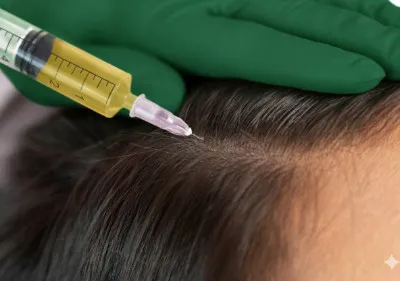
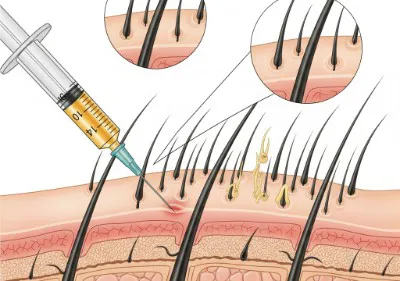
PRP therapy begins with a simple blood draw. Your blood is spun in a centrifuge, separating the platelet-rich plasma – a golden liquid brimming with healing proteins and growth factors. When injected into thinning areas of the scalp, PRP stimulates dormant follicles, boosts circulation, and helps extend the hair growth phase. Unlike shampoos that only work at the surface level, PRP delivers repair right where it matters most.

Who Benefits Most from PRP Hair Therapy

PRP is particularly effective for early to moderate hair loss, especially in cases of androgenetic alopecia (pattern baldness). If you are starting to see thinning along your parting or crown, PRP can help strengthen follicles before they become inactive. It is also a valuable option for postpartum shedding or hair loss linked to stress and hormonal changes.

What a PRP Hair Session Feels Like

A typical treatment takes 60–90 minutes. After the blood draw and processing, the PRP is injected into the targeted areas of the scalp. Most people describe it as a series of quick pinpricks, which can be tolerable with the use of numbing cream or a cooling agent. One patient told me the antiseptic spray before the injections actually felt sharper than the injections themselves. Tenderness fades within a day or two.

The Results You Can Expect

PRP for hair loss is a gradual process. Most people start with three to four sessions, spaced a month apart, followed by maintenance sessions every 6–12 months. Early signs often include reduced shedding, stronger strands, and new baby hairs sprouting along thinning areas. Complete results usually appear within 3–6 months, with continued improvement over time.

If thinning hair is starting to affect your confidence, PRP offers a proven, natural way to take control before the problem becomes more advanced.

Read the full guide: Thinning Hair Isn’t Inevitable PRP for Hair Loss: Regrowth and Density

What Happens During A PRP Treatment

What Happens During A PRP Treatment

Nervous about PRP? Learn what really happens during treatment, from the first blood draw to aftercare, so you know exactly what to expect.

Ever imagined yourself sitting in a clinic chair, wondering what on earth is about to happen once the nurse pulls out the centrifuge? That moment of quiet anticipation is familiar to anyone considering platelet-rich plasma (PRP) therapy. You may have heard it described as a natural, regenerative treatment that utilises your own blood to enhance skin glow or promote hair regrowth. But the nagging question lingers: what actually happens during a PRP treatment, and will it really be as straightforward as people claim?

From consultation to aftercare: the PRP journey in practice

PRP isn’t a spa facial or a pampering scalp massage – it’s medical-grade, structured, and surprisingly efficient. Knowing the steps in advance can help calm your nerves and ensure you arrive prepared.

  • Consultation and assessment – A good practitioner will review your goals, medical history, and current medications. This isn’t just box-ticking; it’s about tailoring the process to you. Think of it as setting the satnav before a long drive.

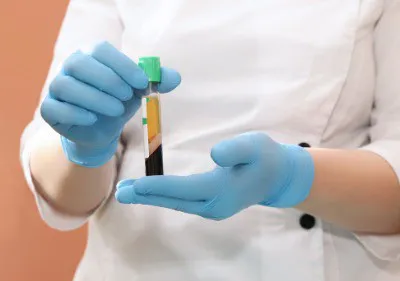
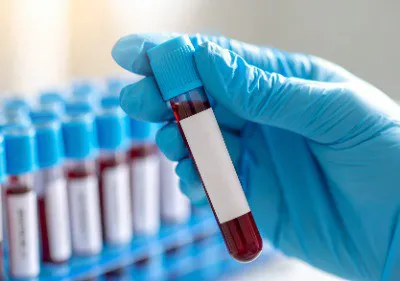
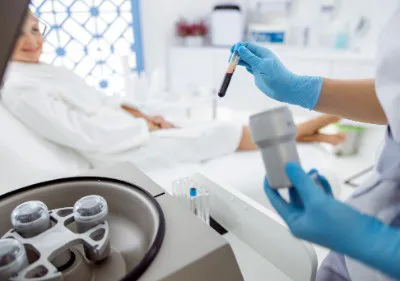
  • Blood draw and preparation – Around 10–30 ml of blood is taken, no more dramatic than a routine test. It’s then spun in a centrifuge for about 10 minutes. Watching the golden plasma separate out can feel oddly mesmerising, like the way tea leaves slowly unfurl in hot water.

  • Application and sensation – Depending on the treatment area, the PRP is either injected directly or applied after microneedling. Most describe the feeling as a series of tiny pinches or a warm tightness that fades within hours. The scalp and under-eye areas tend to be more sensitive, so numbing cream is often used to reduce discomfort.

  • Immediate aftercare – Redness, mild swelling, or tenderness are typical for the first 24–48 hours. Some people liken it to a mild sunburn. Your practitioner should send you home with simple aftercare advice – hydration, SPF, and patience.

What follows is a subtle but fundamental change: skin brightens over weeks, hair follicles reawaken, and collagen builds quietly beneath the surface. The magic lies not in instant results, but in the steady, natural regeneration that continues to work long after the session ends.

PRP treatment is less mysterious when you see the whole picture. It’s structured, predictable, and built on your body’s own repair systems – but the nuances are what make it worth exploring further. More information can be found on the NHS A Patient's Guide to Platelet Rich Plasma.


Read the full guide: A Step-by-Step Patient Guide What Happens During A PRP Treatment

How to Choose the Right PRP Practitioner

How to Choose the Right PRP Practitioner

Not all PRP providers are equal. Discover the must-ask questions and red flags before booking treatment to protect your results and safety.

Have you ever booked a beauty treatment on the strength of a glossy Instagram page, only to walk in and feel that knot in your stomach when the setting looked more “back room” than clinic? When it comes to platelet-rich plasma (PRP) therapy, those instincts matter. Your results and your safety depend less on the promise of “miracle” before-and-afters and far more on the practitioner holding the needle. The right expert can make PRP a powerful, natural way to rejuvenate skin, restore hair, or support healing. The wrong one can leave you disappointed, bruised, or worse.

Why the Practitioner Matters

PRP isn’t plug-and-play. The preparation and application of your plasma require clinical precision. A medically trained professional understands how centrifuge speed, platelet concentration, and injection depth all affect your results. Think of it like baking bread: use the wrong yeast or oven setting, and it might still look like bread, but it won’t rise properly.

Spotting Red Flags Early

Too-good-to-be-true pricing and pushy package deals are common warning signs. If a provider can’t clearly explain how they prepare PRP, or they dodge questions about their qualifications, that’s a cue to walk away. I once visited a clinic where the “consultation” lasted only five minutes, interrupted by the hum of a microwave reheating someone’s lunch. To be safe, I didn’t book.

Credentials and Clinical Setting

A genuine PRP specialist will usually be a doctor, nurse prescriber, or dentist registered with the GMC, NMC, or GDC. Look for an explicit mention of training in PRP specifically. And pay attention to the space itself: sterile equipment, single-use needles, and a professional clinical environment are non-negotiables. You wouldn’t want your blood drawn in a place that smells faintly of nail polish remover.

Questions That Protect Your Confidence

During consultation, could you ask who will perform the treatment, how often they deliver PRP, and what system they use? Cellenis, RegenLab, and MyCells are reputable brands in the UK. Could you ask to see real patient results similar to your own concern? A practitioner who welcomes these questions values transparency and your trust.

Choosing your PRP provider wisely is the difference between results that look subtly refreshed and money you wish you’d never spent. The complete guide shares every red flag, must-ask question, and insider tip to help you choose with confidence.

Read the full guide: Not Every Clinic Is Safe How to Choose the Right PRP Practitioner

The Cost Of PRP Therapy

The Cost Of PRP Therapy

Wondering if PRP is worth £300–£600 a session? Discover the real costs, hidden extras, and how to decide if it’s the right investment for you.

Ever looked at a clinic’s price list and thought, “£400 for a vial of my own blood? Really?” You’re not alone. Platelet-rich plasma (PRP) therapy promises natural skin rejuvenation and hair restoration without the need for fillers or surgery, but its price tag gives many people pause. With sessions often costing between £300 and £600, the question becomes less about whether PRP works and more about whether it’s a wise investment in your skin, hair, or confidence.

What drives the price of PRP therapy?

PRP isn’t just about the injection. You’re paying for a practitioner’s expertise, the centrifuge technology used to process your blood, and the safety of a clinical setting. A high-quality clinic in central London, with medical-grade equipment and tailored aftercare, will naturally charge more than a backstreet salon promising miracle results. The difference can be the line between subtle radiance and wasted money.

How many sessions do you really need?

Here’s where the maths kicks in. One session won’t cut it. Most patients require three or four treatments, spaced a few weeks apart, plus maintenance treatments once or twice a year. Add it up, and suddenly that £400 session looks more like a £1,200–£2,000 commitment. Imagine it like a gym membership: one workout won’t transform you, but consistent effort builds results.

Where can costs spiral unexpectedly?

Some clinics lure you in with a “starter price” and then pile on extras, such as add-on microneedling, upgraded PRP kits, or surprise follow-up fees. It’s a bit like ordering a set menu only to find the wine and dessert are omitted—transparency matters. The best practitioners will break down what’s covered upfront, from consultation to aftercare.

Is PRP worth it compared to alternatives?

Fillers offer quick volume but need regular top-ups. Surgery is long-lasting but invasive. PRP falls somewhere in the middle: it is gradual, natural, and carries a lower risk. For someone tired of expensive creams that deliver little more than a perfumed sheen, PRP can feel like finally stepping into something credible, with results that actually last.

Ultimately, PRP isn’t inexpensive, but for the right person, it can be a worthwhile investment. The comprehensive guide breaks down the numbers, reveals the hidden costs, and outlines the long-term value, enabling you to make an informed decision with confidence.

Read the full guide: Is It Worth It The Cost Of PRP Therapy

Is PRP Really Right for You?

Is PRP Really Right for You?

Is PRP right for you? Learn the signs you’ll see results – and the red flags that mean it may not be worth your time.

Have you ever caught yourself wondering if that buzzy new treatment you keep seeing online is really for you? PRP therapy, with its promise of using your own blood to restore glow, hair thickness, or even joint comfort, sounds almost too natural to be true. And yet, it’s not always the right choice. The truth is, PRP works brilliantly for some and feels underwhelming for others. Knowing which camp you might fall into is half the battle.

Who truly benefits from PRP?

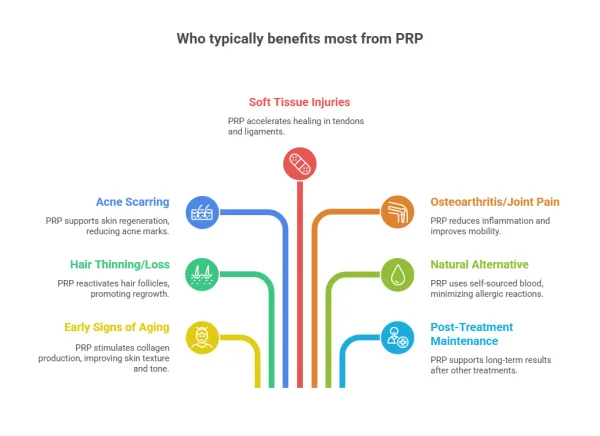
PRP shines when you catch changes early. If your skin is starting to look a little dull, if your hair parting looks wider than it used to, or if your knees feel a bit stiff after a long walk, you may be in the sweet spot. For many in their 30s and 40s, it offers a subtle refresh without the leap to surgery or synthetic fillers.

When PRP may not be the best fit

It’s worth being honest: PRP won’t reverse decades of sun damage overnight or bring hair back to completely bald patches. In my experience, disappointment often arises when someone expects a filler-like volume or a miracle fix. PRP is more like slow gardening than instant landscaping – gentle, steady, and rewarding if you’re patient.

Health and lifestyle matter more than you think

Because PRP relies on your platelets, your body’s healing power is centre stage. Smoking, poor sleep, or heavy reliance on anti-inflammatories can blunt results. One client once told me she could tell a difference in her glow just by improving her hydration before treatment – a reminder that the basics matter.

The emotional side of the decision

There’s also the investment of time and trust. A complete course often means three or more sessions, spaced weeks apart, with results that creep up gradually. For some, that’s exciting – a private little transformation unfolding with each month. For others, it feels like waiting too long.

If you’re weighing PRP, the best next step is clarity. Understanding who it works for, where it struggles, and what questions to ask will save you both money and heartache.

Read the full guide: Not Everyone’s A Fit Is PRP Really Right for You?

Are You a Clinic Offering PRP?

Are You a Clinic Offering PRP?

Whether you're already using PRP or thinking about adding it to your treatment menu, here's how to make the most of it.

Get Found by Patients Searching for PRP Near Them

List Your Clinic on the UK's Most Trusted Aesthetics Platform - from Just £20/month inc. VAT

Patients searching for PRP in their area come to ConsultingRoom.com to find trusted, verified clinics. If your clinic isn't listed, you're invisible to them.

Membership is just £20 per month including VAT - and based on the average client value in aesthetics, just one new patient every three years covers your entire membership fee. Everything after that is pure profit.

Your membership includes a professionally built clinic profile, SEO-optimised to appear in local searches, plus access to 50+ business and marketing tools, lead tracking, and compliance support.

Register Your Clinic - from £20/month


Not Yet Offering PRP? There's Never Been a Better Time to Start

Exclusive Starter Kit Offer from Our Official Partner, Aesthetic Medical Partnership

Cellenis® PRP is one of the most in-demand regenerative treatments in UK aesthetics right now - and patients are actively choosing clinics that already offer it. If it's not on your treatment menu yet, you're missing bookings.

Our partner Aesthetic Medical Partnership (AMP UK) supplies the Cellenis® PRP system and has put together a special starter package exclusively for clinics coming through ConsultingRoom.com. The starter kit includes everything you need to begin treating patients from day one, including a centrifuge.

No hard sell, no commitment - just straightforward advice.

Claim the Special Offer from AMP UK

FAQ's

Yes. Many people use PRP proactively in their late 20s or 30s to slow collagen loss and keep hair follicles active. Early intervention often leads to better, longer-lasting results.

PRP uses your platelets to release growth factors that stimulate repair. Stem cell therapy involves harvesting and reintroducing stem cells, which is more complex, costly, and not widely available in aesthetic clinics.

Yes. PRP is safe across all Fitzpatrick skin types because it doesn’t rely on heat or light energy, which can trigger hyperpigmentation. It’s often chosen as a safer alternative to lasers for darker skin.

Single-spin centrifugation produces a moderate concentration of platelets. Double-spin methods refine this further, often leading to higher platelet counts. The technique used can influence results, so it’s worth asking your practitioner.

Yes. Being well-hydrated improves the quality of your blood sample, which can increase platelet concentration. Practitioners often recommend drinking 1.5–2 litres of water in the days before treatment.

Yes. Many people combine PRP with Botox for movement lines or fillers for lost volume. PRP improves skin quality, while injectables address shape and wrinkles, creating a more complete result.

It’s best to avoid strenuous exercise, saunas, and hot yoga for 24–48 hours after treatment. Heat and sweat can increase swelling and irritation at the injection sites.

Yes, in some cases. By stimulating collagen and improving blood flow, PRP can reduce hollowness and pigmentation under the eyes. Results vary depending on whether circles are caused by skin thinning, vessels, or pigmentation.

There’s no strict age, but most people start in their 30s or 40s, when early ageing or mild hair thinning appears. Younger patients may use it preventatively, while older patients often combine PRP with other treatments.

Yes, but timing matters. PRP is often used after laser or microneedling to speed healing. If you’ve had fillers, most practitioners recommend spacing treatments at least 2–4 weeks apart.

In rare cases, yes—mainly for joint conditions or wound healing. It isn’t offered for cosmetic concerns like hair loss or skin rejuvenation, which remain private treatmen

A typical session lasts 45–90 minutes, including consultation, blood draw, and preparation. The injection portion is relatively quick, usually 15–30 minutes.

Smoking, heavy alcohol use, poor sleep, and a nutrient-poor diet can all reduce PRP’s effectiveness. A healthy lifestyle supports platelet function and helps maintain results longer.

PRP involves multiple small injections into the scalp, which can cause mild discomfort. Clinics often apply numbing cream or use cooling techniques to minimise pain during the session.

Most patients start with three to four initial treatments, about four to six weeks apart. Maintenance sessions are usually recommended every six to twelve months, depending on your response and goals.

Many patients begin to notice a reduction in shedding within the first month. Visible hair thickness and density improvements typically appear between three and six months post-treatment.

Postpartum hair shedding and changes in skin texture are common. PRP can safely support scalp recovery and skin rejuvenation once you’re no longer breastfeeding, as most practitioners avoid treatment during that period.